Slide numbered tiles across a compact board and combine equal values. A familiar move can change the whole board, so the empty spaces matter as much as the largest tile.
Editorial concept illustration, not a game screenshot.
Before the first attempt
Look at the space a move will leave behind. Keeping an orderly edge can be a useful personal approach, but it is not a guarantee of a particular score. A new board is quick to start, making this a straightforward choice when you want a small, self-contained puzzle.
Leave a little room to experiment
Start with the unusual decision. We are interested in the small action that makes a game worth another look, rather than an inflated promise about how long it will keep you entertained.
Read the current destination’s controls and save guidance before starting. This file is editorial reading; the operator supplies the game and sets any account, advertising or purchase arrangements.
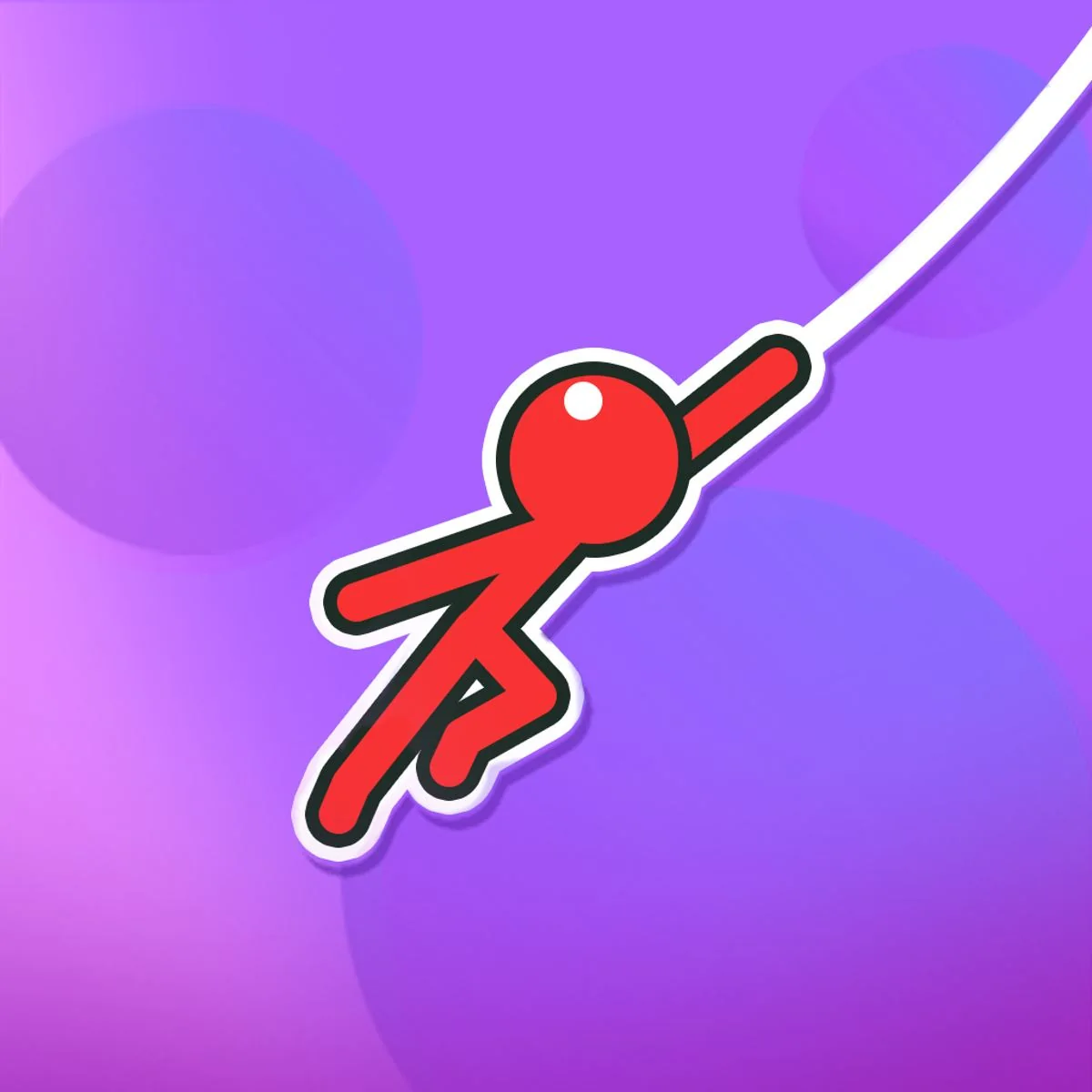
A rope turns a small gesture into a surprisingly expressive journey. Stickman Hook asks you to think in curves: where a swing begins, when it should end and what the next piece of empty space makes possible.
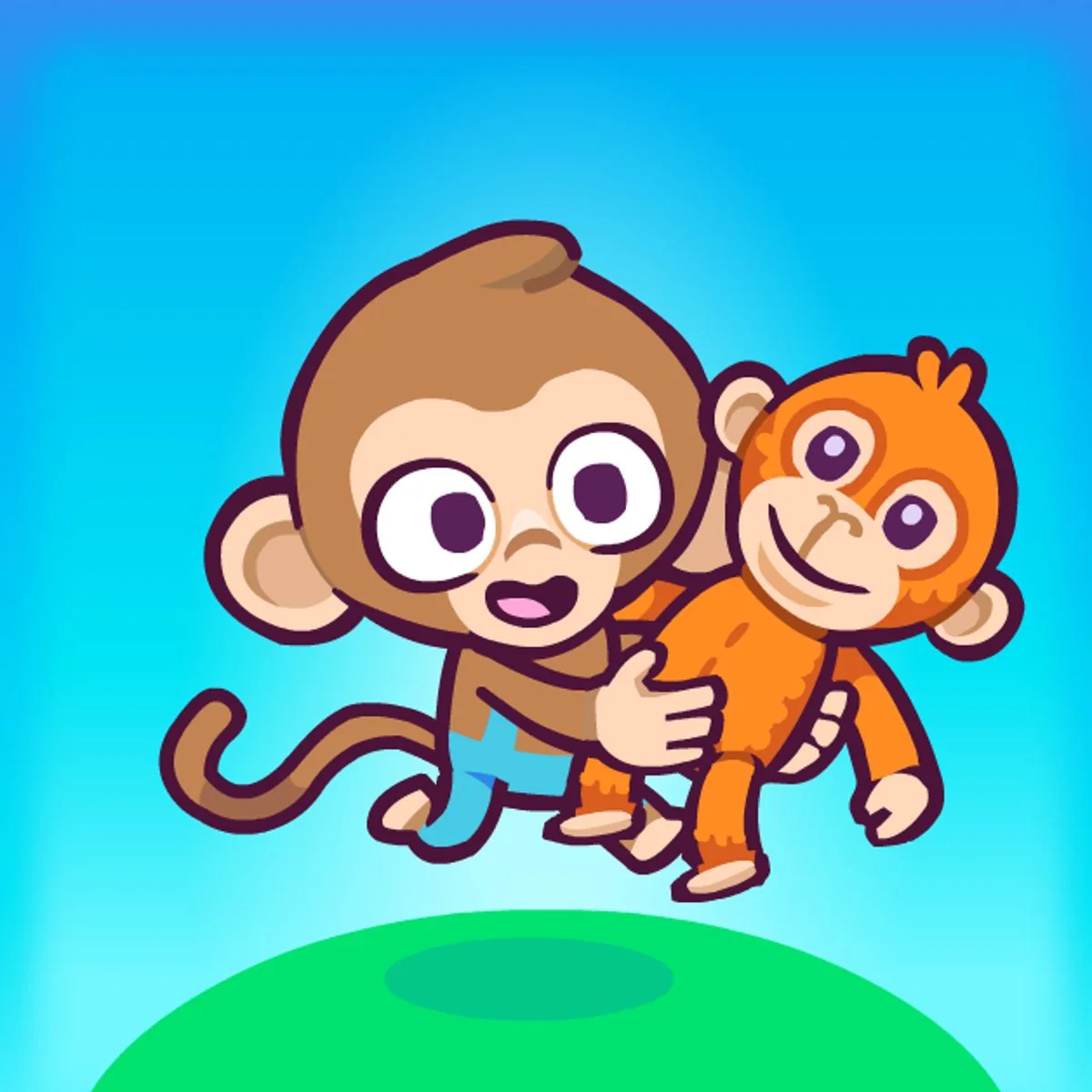
A shop can be understood as a collection of short journeys. Monkey Mart turns those journeys into the main activity: moving between supplies, shelves and customers while deciding which small problem deserves attention next.